Why cold can also be interesting for seniors
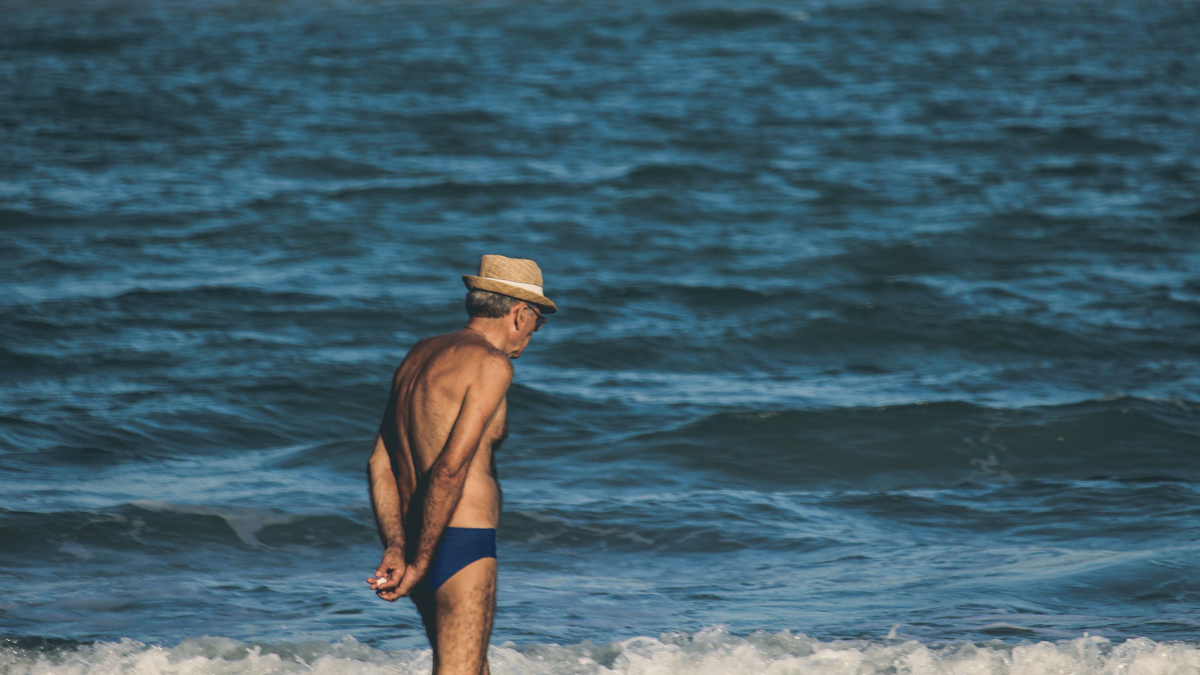
Sometimes you see them in winter as the first ones in the lake. While others are still standing on the shore deliberating, they calmly step into the water, older people who have been doing this for years.
Especially in Nordic countries or in alpine regions, older winter bathers are often among the most experienced in the group. For them it is not a trend, but a habit that has developed over decades.
This shows an interesting perspective: cold is not automatically something only for young or extremely athletic people.
When used consciously, it can also be part of a healthy routine in older age.
The body reacts differently than at 30
With increasing age the body changes. Circulation, metabolism and temperature regulation work somewhat more slowly than in younger years.
This is precisely why a different approach makes sense for older people when ice bathing. Not "as cold as possible" and not "as long as possible".
But controlled, calm and adapted to your own body.
Many begin for example with temperatures around 12 to 15 degrees, rather than going straight into ice water.
Why older people often benefit particularly from cold
Cold activates several systems in the body simultaneously. These include among others:
- Circulation
- The nervous system
- Blood flow
- Metabolic processes
Blood flow in particular can play an important role here. The alternation between cold and rewarming causes the vessels to contract and expand again.
This so-called vascular training effect is often considered one of the most interesting aspects of cold exposure.
Movement afterwards is crucial
One point becomes particularly important with ice bathing in old age: warming up afterwards.
The body produces heat more slowly than in younger people. Therefore movement should always follow after the ice bath. Many winter bathers afterwards for example:
- Walk for a few minutes
- Go into a sauna
- Or do light movement
This helps the body return to normal temperature.
Safety always comes first
For older people when ice bathing the following applies especially: start slowly and listen to your own body.
Important points are:
- Never go into the ice bath alone
- With cardiovascular conditions, consult a doctor beforehand
- Start with moderate temperatures
- Short sessions of a few minutes
Most positive effects arise anyway with relatively short cold exposures.
A question of attitude
Many older people who ice bathe regularly describe the experience not as extreme or tough.
But rather as a small ritual that keeps them alert, physically and mentally.
A brief moment that activates the body, clears the mind and is a reminder that you are still very much in the middle of life.
Perhaps that is precisely the most interesting aspect of ice bathing in old age: it is less about proving something, but about experiencing your own body consciously. Ice bathing can also be possible in older age, if approached slowly and consciously.
With moderate temperatures, short sessions and sufficient time to warm up, cold can become an interesting addition for movement, recovery and mental activation.
Perhaps there lies a small lesson from the winter bathers you observe in the lake: Cold does not belong only to youth or extreme sport. Sometimes it simply belongs to life outdoors, regardless of age.
This post was created by the Arctic Plunge Team – a Swiss brand for modern ice baths and cold therapy systems, supporting people of all ages in safely and consciously integrating cold into their health routine.