Just a few years ago, ice bathing was mainly associated with extreme athletes, biohackers, or Scandinavian sauna rituals.
Today, ice baths are suddenly everywhere: in gyms, wellness centers, among athletes, and increasingly even in people’s own gardens.
What has changed?
One reason is certainly the growing focus on recovery and mental health. More and more people are looking for simple ways to feel better, regulate stress, and consciously challenge their bodies.
And this is exactly where cold exposure is appearing more and more often.
The growing trend around ice bathing
In recent years, interest in ice baths has increased significantly. This is not only visible on social media, but also in the data.
Search queries on Google for terms like “ice bathing,” “ice bath,” or “cold exposure” have increased many times over in recent years. In some countries, search volume has multiplied several times within just a few years. This shows that interest in cold exposure is clearly growing.
You can also see it in everyday life. Cold plunge spaces are opening in many cities, gyms are integrating ice bath areas, and more and more people are setting up their own cold routines at home.
From professional sport to everyday routine
Part of this development comes from the world of sports.
Athletes have used cold for decades to support recovery and reduce inflammation. After intense training sessions, ice baths are a standard part of many teams’ routines.
What used to be common mainly in elite sports is now gradually finding its way into everyday life.
People who train regularly often discover the method first, and shortly after, many others try it as well—especially those interested in health, stress management, or mental strength.
An effect many people feel immediately
The reason ice bathing spreads so quickly is probably quite simple: the effect is immediately noticeable.
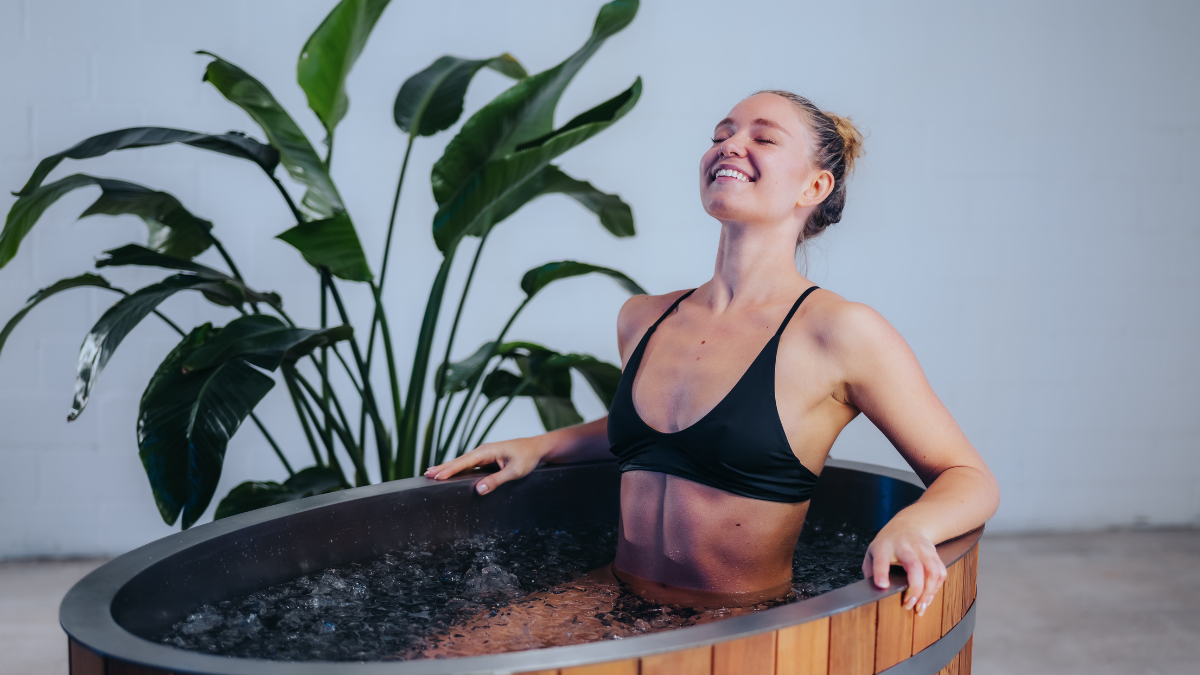
When you step into cold water, the body reacts instantly. Breathing changes, circulation adjusts, and after the session, many people feel surprisingly alert and clear-headed.
For many, it becomes a small routine: a few minutes of cold to start the day or to wind down after training.
A common pattern
If you look at who regularly uses ice baths today, a pattern becomes clear.
They are often people who consciously want to do something for their health—people who exercise, pay attention to their diet, or actively work on stress management.
Many report similar reasons for starting:
- They feel stressed or mentally drained
- They want better recovery after exercise
- They are looking for more focus and energy in daily life
- They want to step outside their comfort zone
Ice bathing therefore becomes, for many, not an extreme ritual, but a small building block in a more intentional lifestyle.
A few minutes in cold water, breathing consciously, pausing briefly. For many, it becomes a moment where the mind clears and the body feels awake.
And that may be exactly why the topic is spreading so quickly.
More than just a short-term trend
Many wellness trends disappear quickly. With cold exposure, it feels different.
The reason is likely that ice bathing is not complicated. You don’t need long programs or complex routines. Just a few minutes in cold water are often enough to feel an effect.
That’s exactly why cold exposure is gradually finding a permanent place in the everyday lives of many health-conscious people.
Not because they want something extreme, but because they notice that it benefits them.
Conclusion
The growing trend around ice bathing or cold plunging shows one thing above all: more and more people are discovering cold as a conscious tool for health, recovery, and mental strength.
What used to be a niche is slowly becoming part of an everyday routine for many health-conscious individuals.
And perhaps that is exactly why so many people become curious and want to try it for themselves.
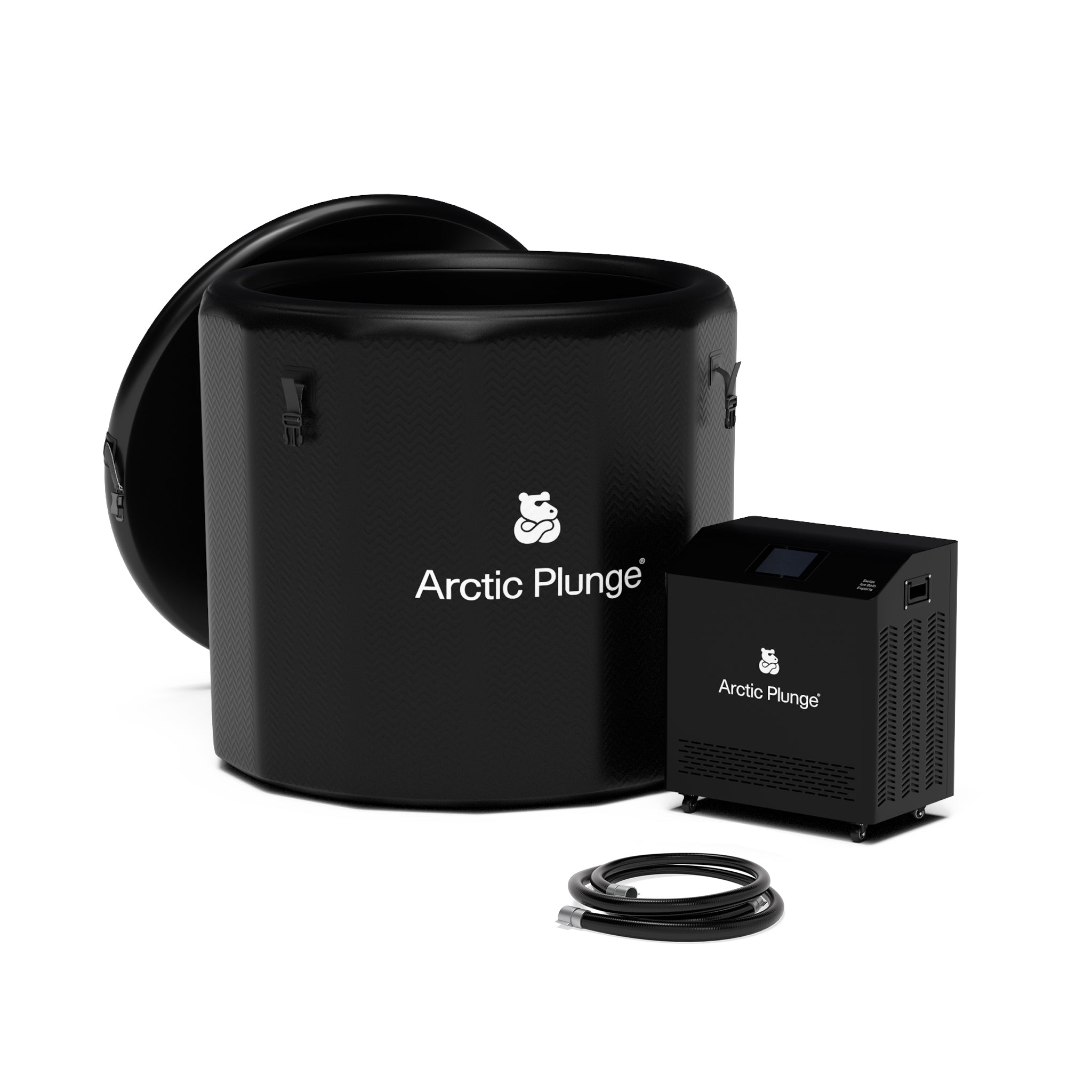
This article was created by the Arctic Plunge team – a Swiss brand for modern ice baths and cold therapy systems.